It does not replace normal City services; it adds agreed extras for that area.
MRIDMilnerton Ridge Improvement District
Community proposal not a final business plan
Milnerton RidgeImprovement District
A practical route to a safer, better-kept neighbourhood, with a plan shaped by residents before any formal CID application is submitted. Start by telling us what matters most in the community survey.
3draft budget scenarios
60%+residential owner support target
5 yearsCID business-plan term
Resident feedback survey
Give us 7-10 minutes. Help shape what happens next.
The survey asks about safety, cleanliness, infrastructure, public spaces, and the possible CID. Your answers will help set the priorities before any formal application is submitted.
CID basics
What is a CID?
A City Improvement District is a clearly defined area where property owners fund approved top-up services through an additional municipal rate.
For a residential CID, strong written owner support is required before approval.
The approved business plan, budget, and governance model control how funds are used.
Simple flowFrom boundary to services
Council-approved plan01
Where it appliesDefined area
A CID starts with a clear boundary, so every owner can see whether their property is inside the proposed district.
02
What gets approvedBusiness plan
The community-supported plan sets the services, budget, governance, and term before the City considers approval.
03
How it is fundedAdditional rate
Property owners fund the approved extras through an additional municipal rate collected with the normal rates account.
04
What it deliversTop-up services
An accountable CID NPC delivers the approved extras, such as safety, cleaning, urban management, and public-space care.
Why now
Choose the plan before pressure chooses it.
Milnerton Ridge already has the community foundation. MRID is the chance to turn that foundation into a funded, accountable plan.
Build on what already works
The watch, community channels, and resident goodwill are already here. A CID can add structure, funding, governance, and reliable top-up services above normal municipal delivery.
Act before the gap forms
If nearby areas strengthen their own CIDs while Milnerton Ridge relies on voluntary donations, we risk becoming the softer gap between organised districts. If we move now, those same neighbours become potential partners.
Current proposal
Three baskets residents can refine.
These are not final allocations. They are the working priorities for community feedback and budget modelling.
Visible presence
Active patrol
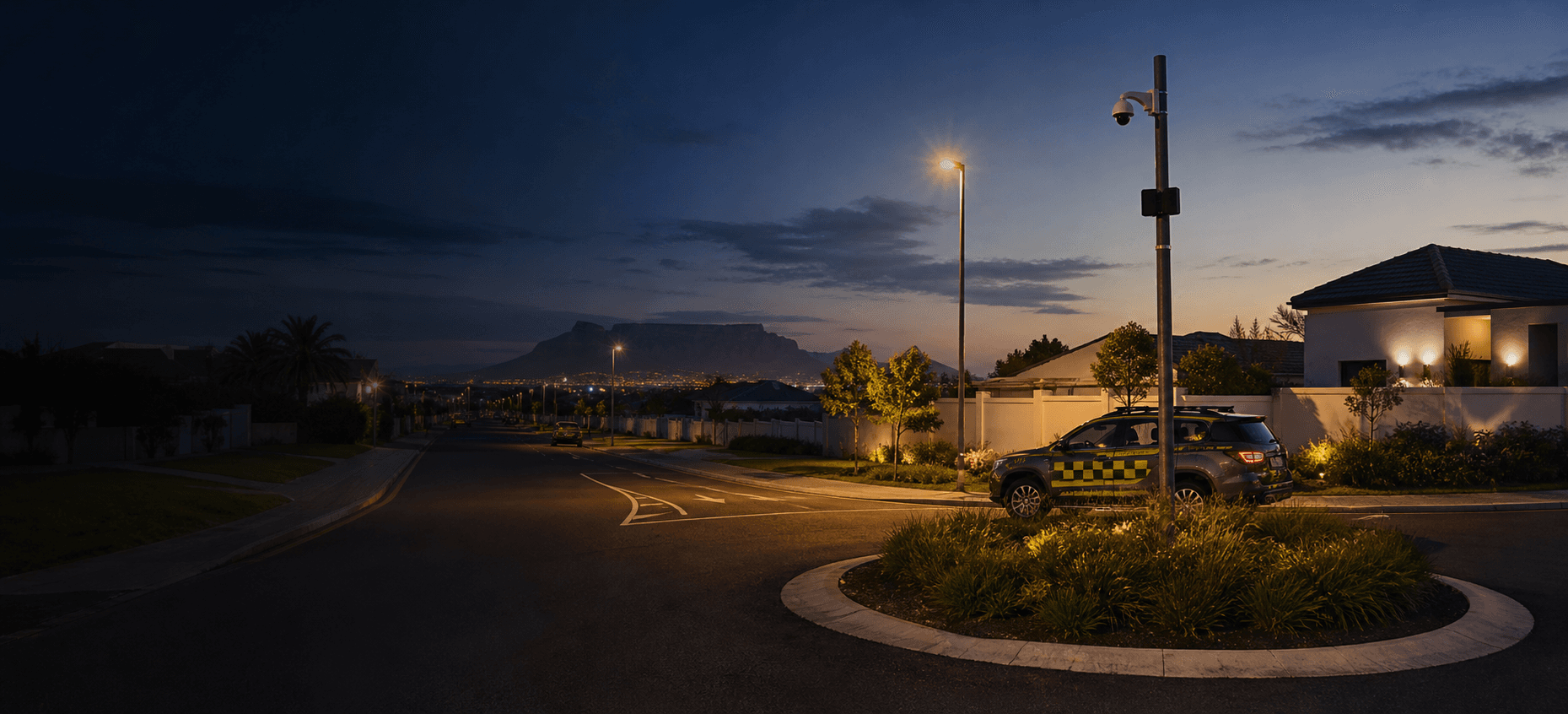
Dedicated vehicleA dedicated patrol vehicle and trained patrol officer presence in the area, with routes shaped by local incident patterns and resident input.
Eyes that scale
Camera monitoring
CCTV plus monitoringBuild on the cameras already in place with additional equipment, better coverage, and a monitoring model that can support fast response.
Pride of place
Upkeep and improvements
Clean, kept, cared forLandscaping, verge care, public-area maintenance, lighting ideas, and other improvements chosen through community feedback.
What would it cost?
A quick estimate for monthly rates.
The City has provided the total municipal values for Milnerton Ridge, so this calculator uses the proposed MRID valuation by default. Choose your own property value to see the likely monthly impact across three draft budget sizes.
Excl-VAT monthly estimate = valuation x annual budget / district valuation / 12
R
Milnerton Ridge City valuation usedR 2 002 342 993
- Residential
- R 1 915 810 000
- Non-residential
- R 125 482 000
- Exempt
- -R 38 949 007
Not from Milnerton Ridge? Set your total area value.
R
Lean
R 2 000 000 / yearR 249 / month incl VAT
R 2 987 / year incl VAT
R 96 incl VAT per R1m valuation per month- Active patrol62%
- Camera monitoring26%
- Upkeep12%
A disciplined first step focused on patrol presence and essential support.
Balanced
R 3 500 000 / yearR 436 / month incl VAT
R 5 226 / year incl VAT
R 168 incl VAT per R1m valuation per month- Active patrol52%
- Camera monitoring33%
- Upkeep15%
A stronger mix of patrol, camera monitoring, and visible upkeep.
Enhanced
R 4 500 000 / yearR 560 / month incl VAT
R 6 720 / year incl VAT
R 215 incl VAT per R1m valuation per month- Active patrol48%
- Camera monitoring35%
- Upkeep17%
A more capable plan with expanded surveillance and improvement capacity.
How it becomes real
From neighbourhood feedback to a formal City process.
The CID process is controlled by the City of Cape Town. The job now is to build a credible community plan that owners can understand, challenge, and support.
01
Community discoveryListen first
Residents and owners help shape the priorities, service level, and appetite for cost within the predefined MRID boundary.
Priorities before paperwork
02
Public business caseDraft the plan
The CID business plan must explain objectives, services, costs, governance, and typical financial impact examples.
Costs, services, governance
03
Owner mandateSecure consent
A residential CID needs strong written property-owner support before the City can consider the formal application.
Written support threshold
04
Accountable deliveryLaunch transparently
If approved, an NPC management body runs the plan, with board governance, annual budgets, and City oversight.
Board, budget, oversight
Property value
A safer suburb is also a stronger investment.
The monthly contribution only makes sense if residents can see the practical return: lower risk, better public spaces, and a neighbourhood that keeps earning confidence.
Confidence
Visible patrols, cameras, and coordinated response change how secure the area feels.
Care
Maintained verges, landscaping, and clean public spaces protect everyday pride of place.
Resale signal
Buyers and tenants notice organised suburbs that are visibly managed and improving.
The strategic choice
Not just defence. Coordination.
A Milnerton Ridge CID can protect the suburb from displacement risk while opening the door to regional cooperation: shared monitoring, aligned patrol edges, bulk procurement, and consistent reporting across neighbouring communities.
Shared camera monitoring or control-room costs with adjacent districts
Coordinated patrol corridors at suburb edges instead of isolated pockets
Bulk procurement for cameras, connectivity, guarding, landscaping, and reporting
Questions residents ask first
Clear answers, with room to refine the plan.
Is this replacing the Neighbourhood Watch?
No. It builds on the volunteer foundation by adding a formal funding and governance structure for agreed top-up services.
Who decides the projects?
The MRID boundary was predefined in the initial application to the City. The project list, costs, and business plan must be shaped through community consultation before owner consent is sought.
Why involve everyone?
Voluntary donations cannot fairly carry suburb-wide services. A CID spreads the cost across the properties that benefit.
What happens if it is approved?
The additional rate is collected through municipal rates, then paid to the approved CID management body to deliver the approved plan.
The CID conversation starts with resident feedback.
Tell the team what you would support, what worries you, and which improvements would make the biggest difference to Milnerton Ridge.